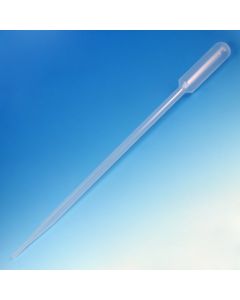
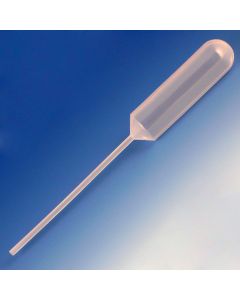
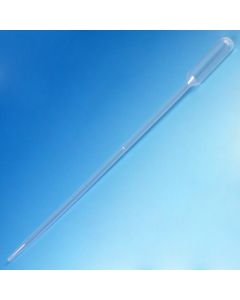
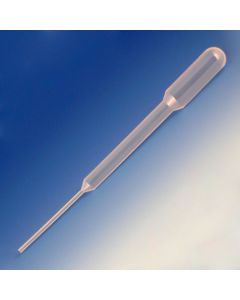
Plastic transfer pipets are essential laboratory tools used for the safe and precise transfer of small liquid volumes. Widely used across research, clinical diagnostics, pharmaceutical testing, microbiology, and educational laboratories, these pipettes provide convenience, accuracy, and contamination-free sample handling. At Kitlogix Life Sciences, we offer high-quality disposable transfer pipets designed to support reliable liquid handling for routine and specialized laboratory applications.
Our disposable plastic transfer pipets are produced from a custom grade of low-density polyethylene (LDPE) that ensures safe handling of biological samples, reagents, and laboratory solutions. Designed for single-use applications, these pipettes help minimize cross-contamination risks while improving laboratory workflow efficiency.
High-Quality Disposable Transfer Pipets for Reliable Liquid Handling
Disposable transfer pipets are widely known for their flexibility, ease of use, and cost-effectiveness. They are commonly used for transferring small liquid volumes without requiring advanced laboratory equipment. The squeeze-bulb design allows quick drawing and controlled dispensing of fluids.
At Kitlogix Life Sciences, our transfer pipets are manufactured to strict quality standards to ensure consistent laboratory performance. These pipettes are lightweight, easy to handle, and compatible with various laboratory liquids, including biological samples, chemical solutions, and reagents.
Our product range includes both non-sterile and sterile transfer pipettes, making them suitable for applications requiring aseptic sample handling. These pipettes are widely used in microbiology laboratories, clinical testing facilities, molecular biology research, and pharmaceutical testing environments.
Sterile Transfer Pipettes for Contamination-Free Applications
Maintaining sample integrity is critical in laboratory procedures. Sterile transfer pipettes are individually packaged and manufactured under controlled conditions to reduce contamination risks.
They are commonly used in microbiological testing, cell culture procedures, and clinical diagnostic applications where sample purity is essential. These disposable pipettes eliminate the need for cleaning and sterilization after use, supporting laboratory safety standards and reducing maintenance time.
Applications of Transfer Pipets in Laboratories
Transfer pipets are versatile tools used for sample preparation, reagent transfer, liquid dispensing, and specimen handling. Their simple design makes them suitable for professional laboratory environments as well as educational science laboratories.
Clinical and diagnostic laboratories
Histology and pathology laboratories
Microbiology and molecular biology research
Pharmaceutical and chemical testing
Environmental and food safety testing
Educational and training laboratories
Their flexibility and ease of operation make them an essential component of routine laboratory workflows.
Benefits of Using Disposable Transfer Pipets
Reduced risk of cross-contamination
Cost-effective single-use design
Lightweight and easy handling
Suitable for a wide range of laboratory liquids
Available in sterile and non-sterile options
Minimal training required for operation
Frequently Asked Questions (FAQs)
What is a plastic transfer pipette?
A plastic transfer pipette is a disposable laboratory tool used to transfer small amounts of liquid between containers. It features a flexible squeeze bulb and a narrow stem for controlled liquid dispensing.
What is the difference between a measuring pipette and a transfer pipette?
A measuring pipette is designed for precise liquid volume measurement using graduation markings, while a transfer pipette is mainly used for simple liquid transfer and may not include volume markings.
What does a transfer pipette do?
A transfer pipette allows laboratory professionals to safely draw, transfer, and dispense small liquid volumes. It is commonly used for sample preparation, reagent mixing, and specimen handling.
What are the types of transfer pipettes?
Common types include disposable transfer pipets, graduated transfer pipettes, single-channel micropipettes, multichannel pipettes, and repeating pipettes, each designed for specific precision and liquid handling requirements.

 Login
Login